How to Write an Article People Want to Read: 7 Steps to Mastering Engaging Content
Writing an article that captures the reader's attention and keeps them engaged can be a challenging task, but with the right approach, you can master the art of crafting compelling content. In this tutorial, you will learn how to write an article that resonates with your audience, using a combination of techniques such as creating attention-grabbing headlines, using engaging tone and language, and incorporating visually appealing images. By the end of this article, you will have the skills and knowledge to write an article that people want to read, share, and come back to for more.
Step 1: Plan Your Article with a Clear Outline and Keyword Research
To write an article that people want to read, you need to start with a solid plan. This involves creating an outline that includes the main points you want to cover, as well as conducting keyword research to identify relevant terms and phrases that your target audience is searching for. For example, if you're writing an article about "how to write an article," you might include keywords like "article writing tips," "engaging content," and "writing for the web." 
Step 2: Craft a Compelling Headline that Grabs Attention
Your headline is the first thing that readers will see, and it needs to be attention-grabbing enough to make them want to read more. To craft a compelling headline, try using action verbs, questions, or statements that create curiosity. For example, "How to Write an Article that Goes Viral" or "The Ultimate Guide to Writing Engaging Content." Make sure your headline is descriptive, yet concise, and includes the main keyword or phrase that you're targeting. 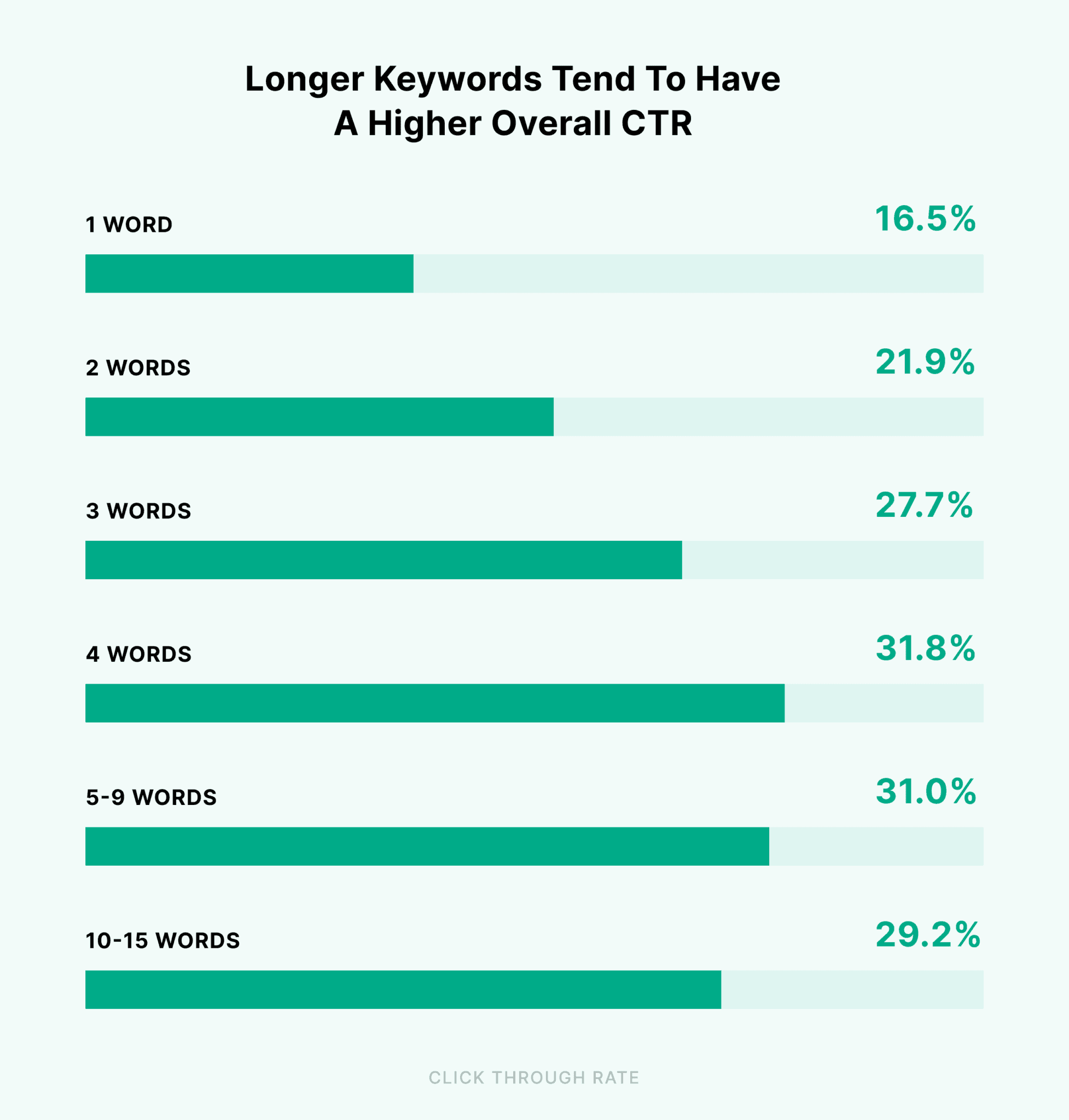
Step 3: Write an Engaging Introduction that Sets the Tone
The introduction to your article should be engaging and set the tone for the rest of the content. This is where you grab the reader's attention and draw them in with an interesting fact, statistic, or anecdote. Make sure your introduction is concise and to the point, and includes a clear thesis statement that outlines the main point of your article. For example, "Writing an article that people want to read is not just about conveying information, but about telling a story that resonates with your audience." Use a friendly and approachable tone, and avoid jargon or technical terms that might confuse your readers.
Step 4: Use Subheadings and Bullet Points to Break Up the Content
To make your article easy to read and scan, use subheadings and bullet points to break up the content. This will help readers quickly understand the main points you're trying to make, and will also make your article more visually appealing. Use subheadings to separate different sections of your article, and bullet points to list out key points or tips. For example, "Here are some tips for writing an engaging article: * Use attention-grabbing headlines * Keep your paragraphs short and concise * Use active voice instead of passive voice * Include images and other visual elements to break up the text"
Step 5: Incorporate Images and Other Visual Elements to Enhance the Content
Images and other visual elements can help to break up the text and make your article more engaging and shareable. Use high-quality images that are relevant to the content, and include captions or descriptions to provide context. You can also use other visual elements like infographics, videos, or podcasts to enhance the content and provide additional information. For example, if you're writing an article about "how to write a blog post," you might include an image of a person typing on a laptop, or an infographic that outlines the key steps involved in writing a blog post.
Step 6: Optimize Your Article for SEO with Relevant Keywords and Meta Tags
To optimize your article for SEO, you need to include relevant keywords and meta tags that help search engines understand the content and context of your article. Use a keyword research tool to identify relevant terms and phrases, and include them in the title, introduction, and body of your article. Make sure your article is optimized for mobile devices, and includes meta tags like title tags, description tags, and keyword tags. For example, if you're writing an article about "article writing tips," you might include the following meta tags: * Title tag: "Article Writing Tips: How to Write an Engaging Article" * Description tag: "Learn how to write an article that people want to read with these tips and tricks" * Keyword tag: "article writing tips, engaging content, writing for the web"
Step 7: Edit and Proofread Your Article to Ensure Error-Free Content
The final step in writing an article that people want to read is to edit and proofread your content to ensure it is error-free and polished. Read your article out loud to catch any awkward phrasing or grammatical errors, and have a friend or colleague review it to provide feedback. Make sure your article is well-organized and easy to follow, and include a clear call-to-action at the end that encourages readers to engage with your content. For example, "If you found this article helpful, please share it with your friends and family, or leave a comment below with your thoughts and feedback."
Frequently Asked Questions:
Q: How long should my article be? A: The length of your article will depend on the topic and the audience you're writing for. As a general rule, aim for at least 500 words, but no more than 2000 words.
Q: What is the best way to optimize my article for SEO? A: The best way to optimize your article for SEO is to include relevant keywords and meta tags, and to make sure your article is well-organized and easy to follow.
Q: How can I make my article more engaging and shareable? A: To make your article more engaging and shareable, use attention-grabbing headlines, include images and other visual elements, and provide valuable and informative content that resonates with your audience.
How To Write An Article | PPTX
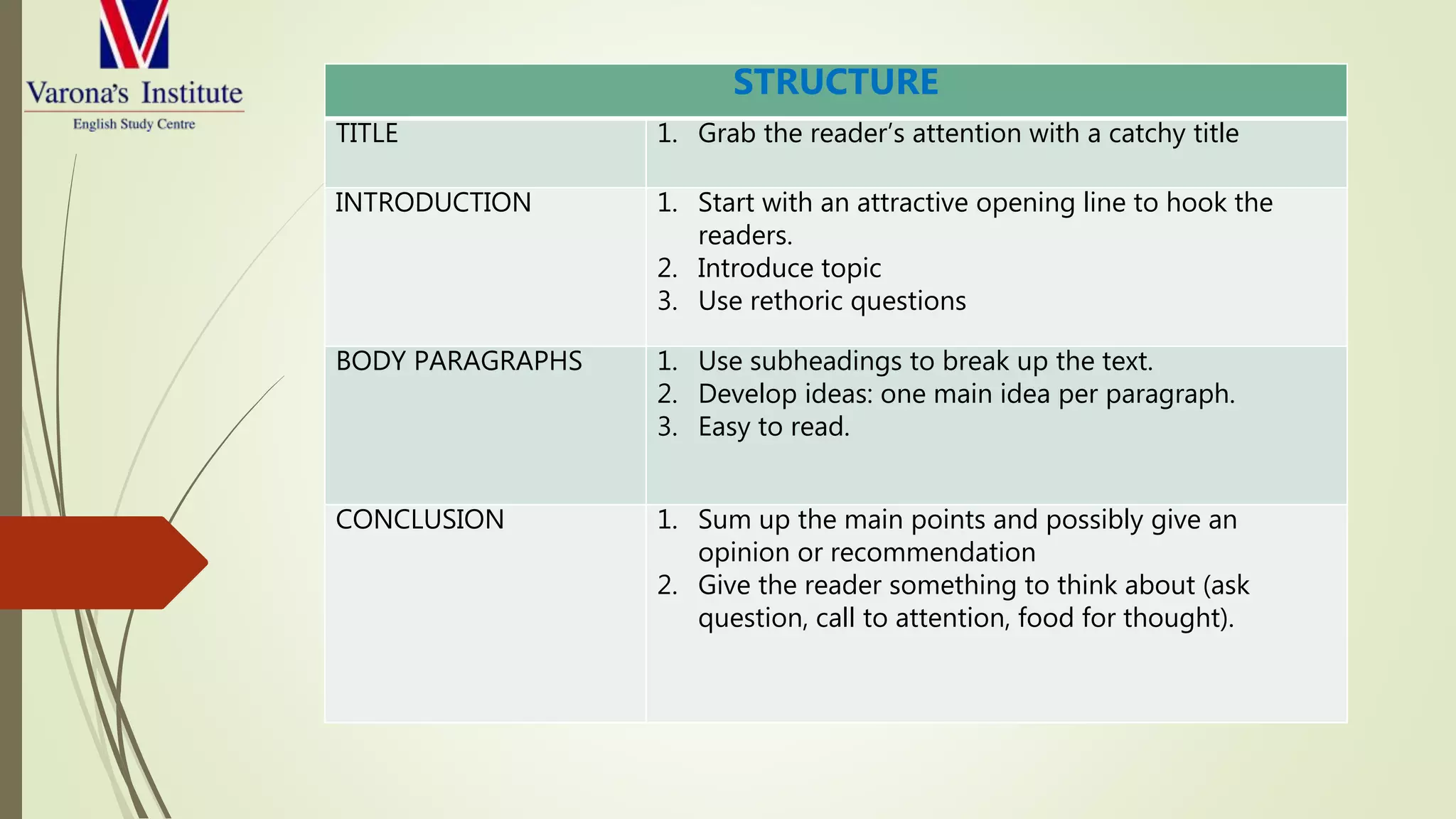
How to Write an Article | PPTX
How To Write A Magazine Article Editors Will Love - Elna Cain
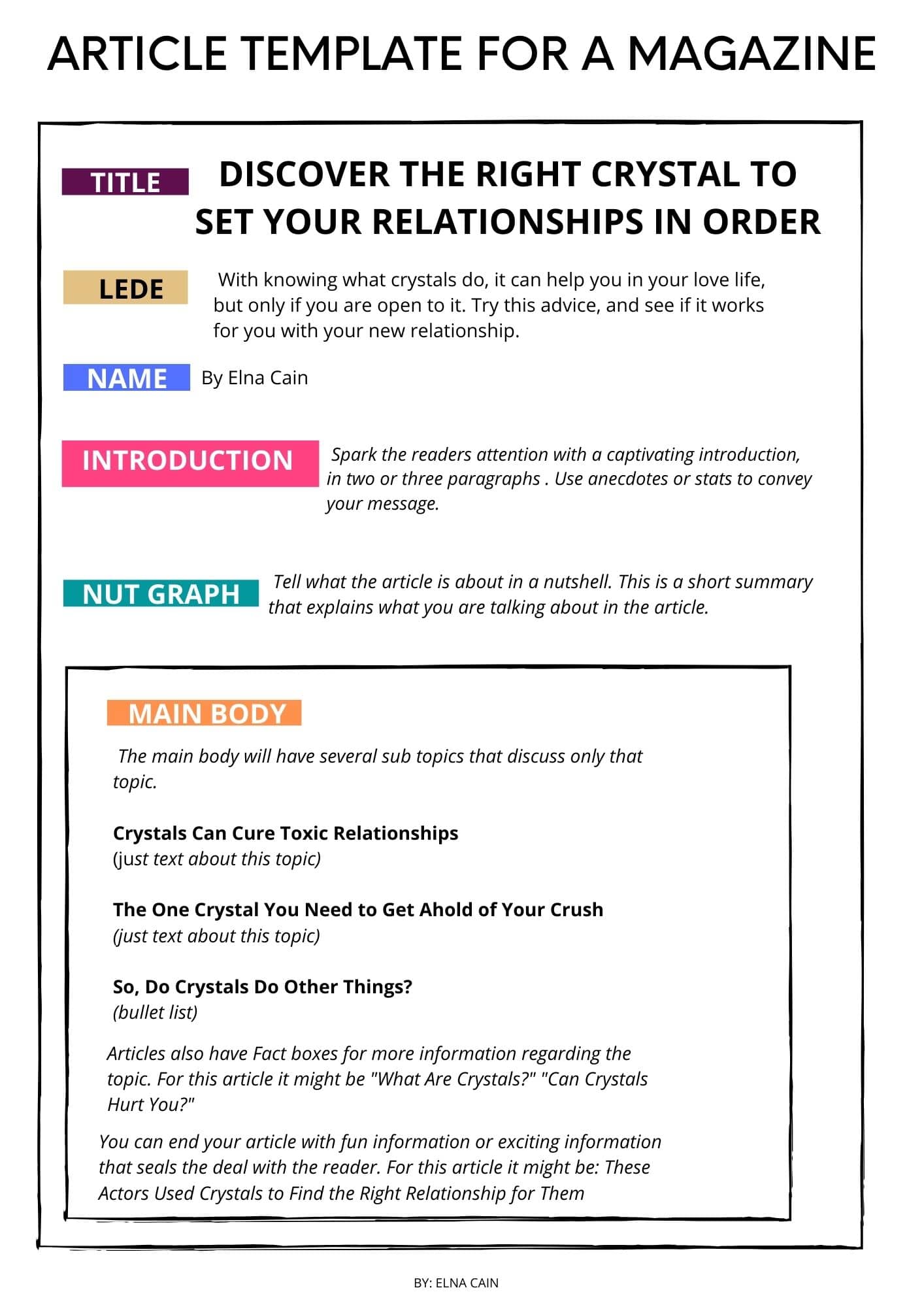
How to Write a Magazine Article Editors Will Love - Elna Cain
How To Write An Article

How To Write An Article